

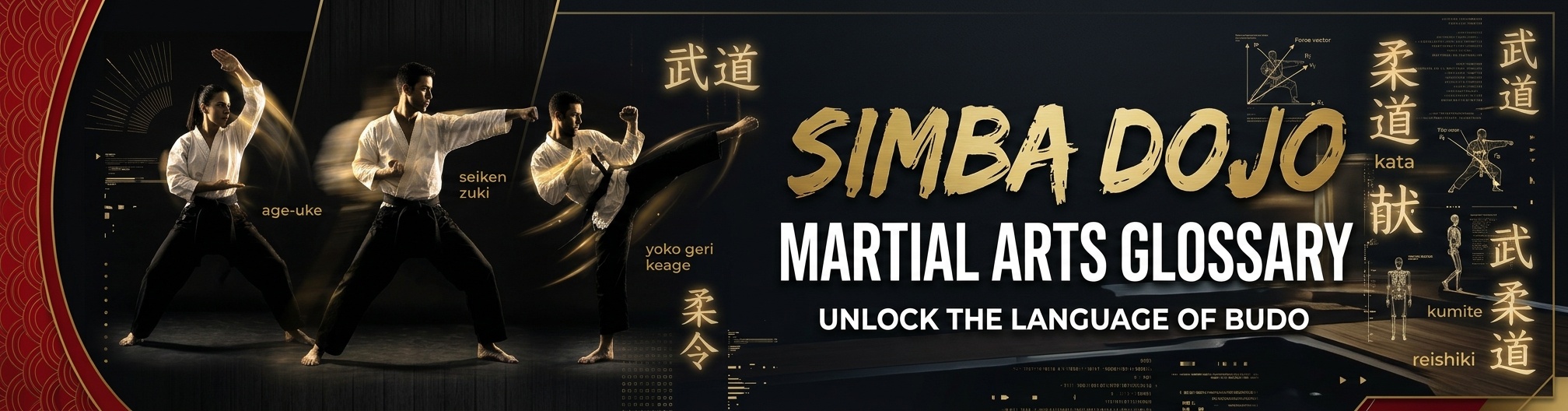
Beyond the Belt: How Karate Builds Unshakable Discipline at Simba Dojo
In a world driven by instant gratification, fast-paced digital distractions, and constant notifications, true personal discipline has become a rare and priceless currency. We often think of discipline as a cold, rigid chore—something forced upon us by alarms, strict schedules, or raw willpower alone.
Yet, step inside Simba Dojo, listen to the crisp snap of a heavy cotton gi, feel the focused energy on the mats, and you quickly realize: discipline is not a punishment. It is an empowering art form.
Traditional Karate is far more than a method of physical self-defense. At its core, it is a proven furnace for forging mental clarity, emotional resilience, and unwavering self-discipline. But how exactly does throwing punches and executing formal patterns transform a chaotic mind into a centered powerhouse?
Here is how the journey of Karate at Simba Dojo cultivates a level of discipline that lasts a lifetime.
1. It All Begins with Reverence: The Ritual of Etiquette (Reiho)
Before a single punch is thrown or a kick is launched at Simba Dojo, training begins with a bow.
In traditional Karate, etiquette (Reiho) is paramount. Students bow when entering the dojo, bow to their instructor (Sensei), bow to their training partners, and bow to the training space itself. This is not an empty ritual or blind obedience; it is a deliberate mental reset.
By bowing, practitioners leave their ego, daily stresses, and outside distractions at the door. It signals to the brain that it is time to be fully present. This daily habit builds environmental discipline—the mental switch to focus entirely on the task at hand whenever duty calls.
"Karate-dō wa rei ni hajimari, rei ni owaru."
(Karate begins and ends with respect.) — Gichin Funakoshi
2. The Power of Micro-Repetitions: Mastering the Basics (Kihon)
Our modern culture loves fast results—the black belt, the victory, the effortless performance. Karate, however, teaches us to fall in love with the process through Kihon (basics).
A new student at Simba Dojo might spend weeks mastering how to form a proper fist, sink into a balanced stance, or execute a clean low block (gedan-barai). Advanced black belts spend hours refining those exact same fundamental movements decades later.
This constant, deliberate repetition teaches patience and incremental progress. Students learn that true power does not come from trying a thousand different moves once, but from executing foundational techniques with precision ten thousand times. That patience naturally bleeds into everyday life—helping students tackle complex projects, learn new skills, and stay consistent even when results aren’t immediately visible.
3. Moving Meditation: Mental Guard and Unbroken Focus (Kata & Zanshin)
Watch a practitioner perform a Kata—a complex, pre-arranged sequence of defensive and offensive movements against imaginary opponents. Their eyes are sharp, their breath is synchronized, and their body moves with deliberate grace.
During Kata, there is no room for a wandering mind. If your thoughts drift to your phone or tomorrow’s schedule, your stance breaks, your balance falters, and the sequence collapses.
Karate demands Zanshin—a state of relaxed, unbroken awareness. Practicing Kata acts as a dynamic form of moving meditation that retrains your attention span. In an age where focus is constantly fragmented, Karate serves as a mental gym, rebuilding your capacity for deep, uninterrupted work and clarity.
4. Emotional Composure Under Pressure (Kumite & Fudoshin)
It is easy to remain calm in a quiet, comfortable room. It is another challenge entirely to maintain your composure when facing an opponent in dynamic partner work.
In controlled sparring (Kumite), Simba Dojo students are introduced to stress in a safe, structured environment. You experience adrenaline, fatigue, and unpredictable timing in real time. Rather than flinching, reacting with anger, or freezing, Karate trains you to cultivate Fudoshin—the "immovable mind."
Through regular partner training, you learn to breathe through pressure, make clear tactical decisions, and stay composed despite stress. When real-life challenges arise—a tight deadline, a tense conversation, or a sudden setback—the discipline built on the mats ensures you respond with calm strategy rather than emotional panic.
5. Embracing the Struggle: The Spirit of Osu
Walk along the training line during an intense session at Simba Dojo, and you will frequently hear students exclaim a single, powerful word: "Osu!" (pronounced oh-ss).
Derived from the Japanese phrase Oshi Shinobu, Osu translates to "to push through and endure." It represents the willingness to push past physical fatigue, mental doubt, and self-imposed limitations.
When your legs burn in a low horse-riding stance (kiba-dachi) and your instincts tell you to quit, calling upon the spirit of Osu encourages you to hold on for ten seconds more. This builds resilience. Students learn that discomfort is temporary and that true personal growth resides just beyond the edge of their comfort zone.
Character First: The Simba Dojo Mission
The ultimate goal of training at Simba Dojo is never merely to win trophies or wear colorful belts. As Master Gichin Funakoshi famously taught:
"The ultimate aim of Karate lies not in victory or defeat, but in the perfection of the character of its participants."
When you practice Karate at Simba Dojo, discipline stops being a rule you have to follow—it becomes a fundamental part of who you are.
You become someone who shows up on time, listens attentively, manages stress with grace, respects others, and perseveres through life's toughest obstacles. The true black belt isn’t just worn around your waist—it is carried inside your character everywhere you go.