

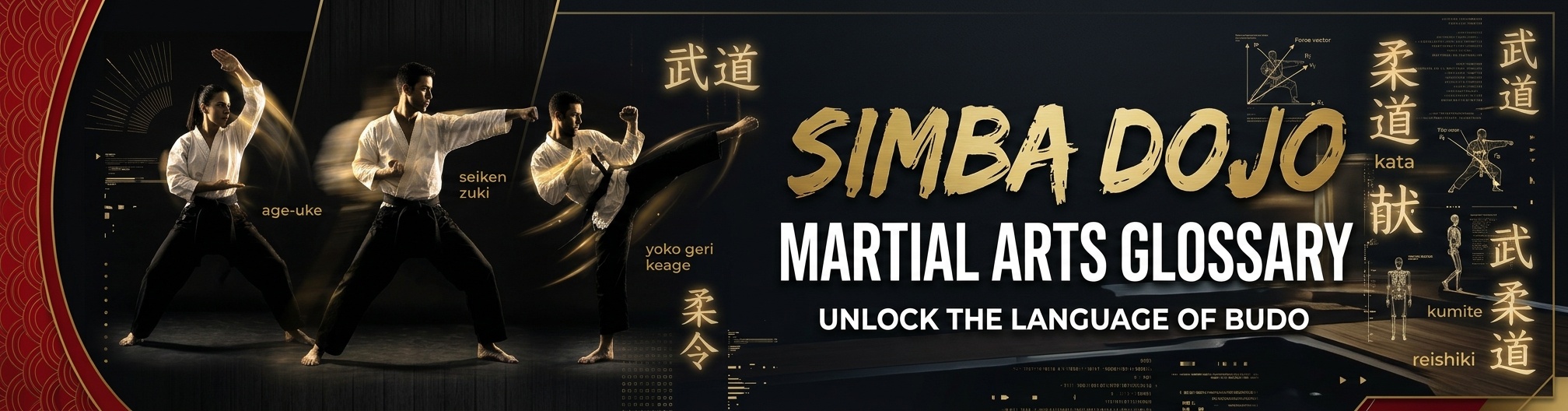
The Bow That Binds: How Karate Builds Unshakable Respect in a Divided World
In a modern culture dominated by online cynicism, talk-over dialogues, and self-centered ambition, genuine respect often feels like a fading art. We hear demands for respect everywhere, yet we rarely see a structured practice dedicated to cultivating it.
Step onto the tatami mats at Simba Dojo, however, and the atmosphere changes instantly.
Before a single technique is practiced, before a foot lands on the floor, the [[3]] falls quiet. Every practitioner, regardless of rank, age, or background, lowers their eyes and bows. In that single, deliberate gesture lies the core secret of traditional Karate: respect is not just an abstract virtue—it is a physical, daily habit.
While Karate is renowned for its martial power and striking precision, its true strength lies in how it systematically instills respect for oneself, for others, and for the journey of life. Here is how training at Simba Dojo fosters profound, lifelong respect.
1. Respect for the Space: The Ritual of Reiho
In traditional Japanese martial arts, the dojo is far more than a gym; it is a sanctuary for personal growth. The practice of Reiho (dojo etiquette and formal bowing) begins the moment you cross the threshold.
When a student bows upon entering Simba Dojo, they perform a conscious mental reset. They leave their external status, daily worries, and ego at the door. By honoring the space where hard work occurs, karateka learn environmental respect. They begin to treat their surroundings—whether a classroom, workplace, or home—with mindfulness and care.
2. Respect for Authority and Tradition: Honoring the Sensei and Senpai
In a world that often challenges authority for the sake of friction, Karate teaches structured, earned reverence.
-
Sensei (Teacher): Translates literally to "one who has walked the path before." Students bow to the Sensei not out of fear, but out of gratitude for their guidance, wisdom, and dedicated mentorship.
-
Senpai (Senior Students): Junior students (Kohai) learn to respect their seniors, recognizing the years of sweat and effort required to attain higher rank.
This dynamic teaches practitioners to honor experience and seek wisdom. It fosters humility, encouraging students to listen deeply and absorb lessons with a clean slate (shoshin or "beginner’s mind").
3. Respect for Partners: The Law of Mutual Preservation
You cannot master Karate alone. Progress depends entirely on having training partners who are willing to throw strikes at you and trust you to strike back safely.
During Kihon-kumite (partner drills) and free sparring, respect is a matter of physical safety. A karateka must deliver techniques with maximum speed and energy (kime), yet hold absolute spatial control (sun-dome) to stop millimeters from their partner's body.
This creates a profound bond of mutual trust. You learn to view your training partner not as an adversary to crush, but as a valued teammate helping you sharpen your skills. Every sparring session at Simba Dojo begins with a bow (Rei) and ends with a bow, reinforcing that combat without respect is merely violence.
4. Respect for Opponents: Winning and Losing with Grace
Whether in tournament competition or casual dojo sparring, Karate strips away excuses. When a strike connects or a technique fails, there is no referee to blame and no teammate to hide behind.
Karate teaches students to accept victory with quiet humility and defeat with dignifying grace. Winning without boasting demonstrates respect for your opponent's effort; losing without making excuses demonstrates respect for the truth of the moment. This builds emotional maturity, preparing students to navigate life's inevitable setbacks with composure.
5. Respect for Self: The Inner Temple
Perhaps the most transformative form of respect Karate instills is self-respect.
Self-respect is not born from unearned praise; it is earned through facing friction, pushing through physical fatigue, and overcoming self-doubt. When a student struggles through a grueling stance session, masters a complex Kata, or pushes past their perceived limits during basic drills, they realize what they are truly capable of.
A person who respects themselves takes care of their physical body, guards their mental focus, stands up for their values, and treats others with natural dignity. As Master Gichin Funakoshi famously stated in his Niju Kun:
"Karate-dō wa rei ni hajimari, rei ni owaru."
(Karate-dō begins and ends with respect.)
The Simba Dojo Promise: Character First
At Simba Dojo, we believe that punching and kicking are simply the vehicles; character is the destination.
When you or your child step onto our mats, you are not just learning how to defend yourself—you are joining a community dedicated to raising respectful leaders, compassionate training partners, and resilient individuals. The bows we exchange inside the dojo become the foundation for how we treat the world outside its walls.