
The Bushido Code
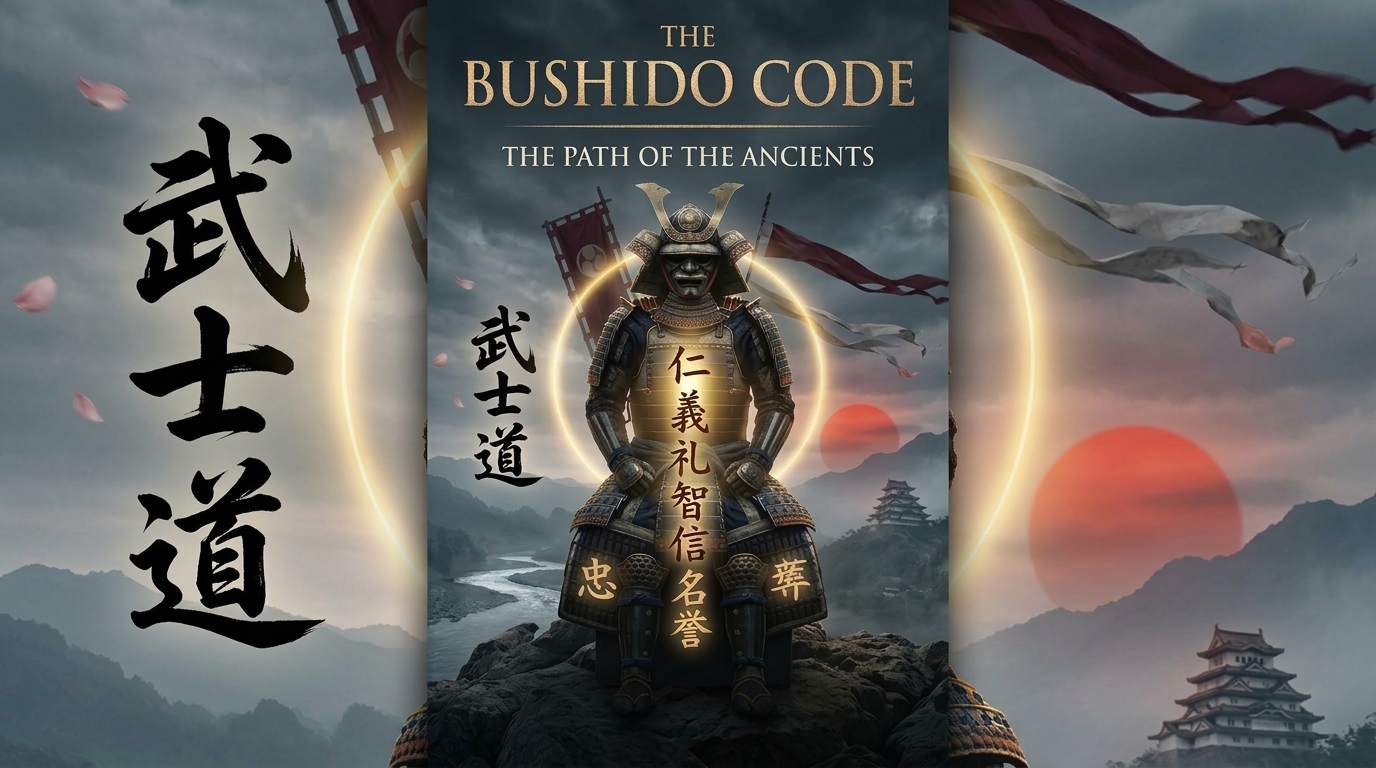
The Bushido code—literally translated as "the way of the warrior"—is one of history's most enduring ethical frameworks. Developed over centuries in feudal Japan, this unwritten moral code governed the conduct, values, and lifestyle of the samurai class. Although the samurai era officially ended during the Meiji Restoration in the late 19th century, the core principles of Bushido continue to exert a profound influence on modern Japanese culture, business ethics, and global martial arts philosophy.
Historical Origins
Bushido evolved alongside the rise of Japan’s samurai class between the 10th and 14th centuries. Influenced heavily by three foundational philosophies, the code blended spiritual discipline with practical military tradition:
Shintoism: Embedded deep respect for nature, ancestors, and loyalty to the Emperor and land.
Buddhism (especially Zen): Taught detachment from material desires, fearlessness in the face of death, and mental clarity under pressure.
Confucianism: Formed the basis for social order, duty, respect for authority, and moral righteousness within relationships.
During the peaceful Edo period (1603–1867), under the Tokugawa Shogunate, samurai transitioned from frontline warriors to administrators and scholar-bureaucrats. It was during this era that Bushido was formalised and codified in literature, most famously by Inazo Nitobe in his 1899 book, Bushido: The Soul of Japan.
The Seven Virtues of Bushido
Nitobe identified seven primary virtues that defined the samurai ethos:
Gi (Integrity / Righteousness): Doing the right thing simply because it is right. A samurai makes decisions based on justice and moral clarity without hesitation.
Yū (Courage): Heroic bravery in action. Courage in Bushido is not blind recklessness, but the mastery of fear to execute right action.
Jin (Benevolence / Compassion): Through intense training, samurai possessed immense power, which carried a duty to protect the weak and show mercy.
Rei (Respect / Politeness): Courtesy and respect extended to allies, superiors, and even enemies. Politeness was seen as a reflection of inner strength rather than mere social protocol.
Makoto (Honesty / Sincerity): Truthfulness in word and deed. For a samurai, speaking an intention was equivalent to performing it; promises required no formal contract.
Meiyo (Honor): A samurai’s personal dignity and reputation were paramount. Actions that brought shame reflected negatively not just on the individual, but on their ancestors and lineage.
Chūgi (Loyalty): Absolute devotion to one's master, lord, and community. Unwavering loyalty was considered the highest virtue in samurai society.
Bushido in the Modern Era
While the samurai no longer walk the streets, the philosophical DNA of Bushido remains deeply embedded in modern society:
Corporate Culture: Principles like loyalty (Chūgi), integrity (Gi), and respect (Rei) shape workplace dynamics, teamwork, and business etiquette in Japan.
Martial Arts: Traditional disciplines such as Kendo, Judo, Aikido, and Karatedo place heavily emphasis on character development, respect, and self-restraint over mere physical combat.
Personal Development: Worldwide, individuals adopt Bushido's focus on self-mastery, discipline, and ethical living as a guide for personal growth and leadership.
The Bushido code serves as a timeless reminder that true strength lies not in the capacity to overpower others, but in the discipline to master oneself and live with unwavering purpose and integrity.